Why Does My Chimney Smell in Summer? Pittsburgh Fireplace Odor Guide
Expert chimney and fireplace service advice for Pittsburgh homeowners
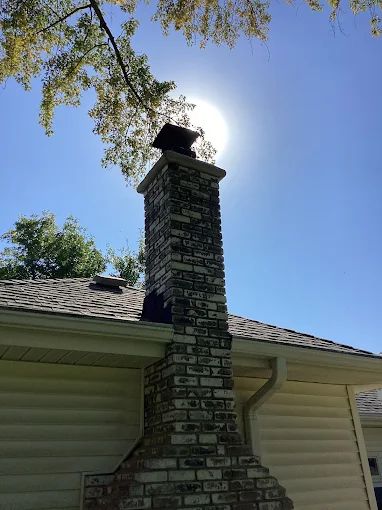
Introduction
Many homeowners are surprised that a fireplace smells strongest when it is not being used. Warm humid weather can intensify old creosote odors, and air-conditioning or exhaust systems can pull chimney air into the house. The smell is usually a symptom, not the root cause.
Creosote plus humidity
Creosote has a strong odor that becomes more noticeable as humidity rises. If the chimney contains soot or creosote from the prior heating season, summer air can make the smell seem stronger. Cleaning removes a major odor source but may not fully solve the pressure condition pulling chimney air indoors.
Negative pressure and reverse airflow
Air conditioners, exhaust fans, dryers and stack effect can create pressure differences inside the house. When the chimney becomes the easiest path for replacement air, odors travel down the flue. This is especially common when homes have been air-sealed or windows replaced.
Water and animal odors
A missing cap, leaking crown or damaged flashing can add damp, musty odors. Nesting material or animal entry can create a completely different odor profile and may also obstruct the flue. A visual inspection should determine what is actually inside the chimney.
Long-term solutions
The right solution may combine cleaning, water-entry repair, cap or damper work, and correction of household pressure issues. Fragrance products only mask the symptom. If the fireplace is no longer used, proper closure options should still preserve required venting for any other appliances sharing the chimney.
When to Call Eagle Chimney & Fireplace
Stop using the fireplace or connected appliance if you see smoke entering the home, hear or suspect a chimney fire, notice loose masonry, find a blocked flue, smell combustion gases, or see water actively damaging the chimney. For routine maintenance, scheduling before the busiest part of fall gives more time to complete any masonry, liner, cap, crown or flashing work discovered during inspection.
For chimney cleaning, inspection, repair, installation or fireplace service in Pittsburgh and surrounding communities, contact Eagle Chimney & Fireplace at 412-954-1258. We serve homeowners throughout the Pittsburgh area and communities within approximately a 60-mile radius. Visit eaglechimneyandfireplace.com to learn more or request service.
Frequently Asked Questions
Why does the smell get worse when the AC runs?
The HVAC system or house pressure may be pulling air down the chimney.
Will a top-sealing damper help?
It can reduce air exchange on suitable fireplace-only flues, but it is not appropriate for every chimney.
Can a chimney smell mean water damage?
Yes. Damp masonry, debris and rust can contribute to odor.
Local SEO takeaway
For homeowners searching for chimney smell Pittsburgh, Eagle Chimney & Fireplace recommends diagnosing the actual chimney or fireplace system instead of treating every symptom as the same repair. Pittsburgh-area homes vary widely in age, masonry construction, roof access, fuel type and past renovations. A documented inspection helps separate cleaning, maintenance and water-control work from structural or venting repairs.
Schedule Service
Need help with a chimney or fireplace in Pittsburgh or the surrounding area? Call Eagle Chimney & Fireplace at 412-954-1258 or visit eaglechimneyandfireplace.com. Our service area extends approximately 60 miles around Pittsburgh, Pennsylvania.
---
Need Chimney or Fireplace Service?
Contact Eagle Chimney & Fireplace to schedule an inspection or repair in the Pittsburgh area.
CALL: 412-954-1258