Explore More
Related Chimney & Fireplace Services
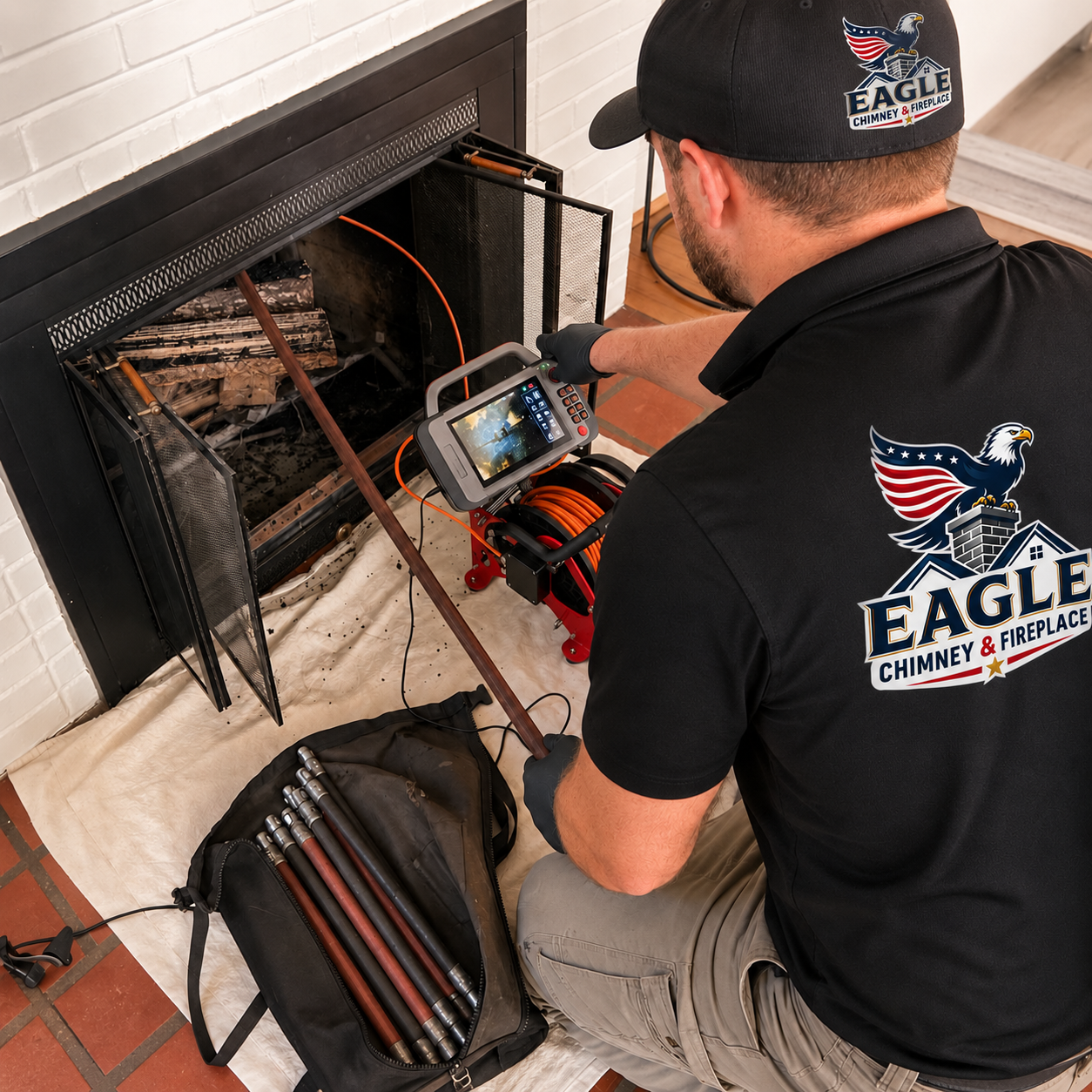
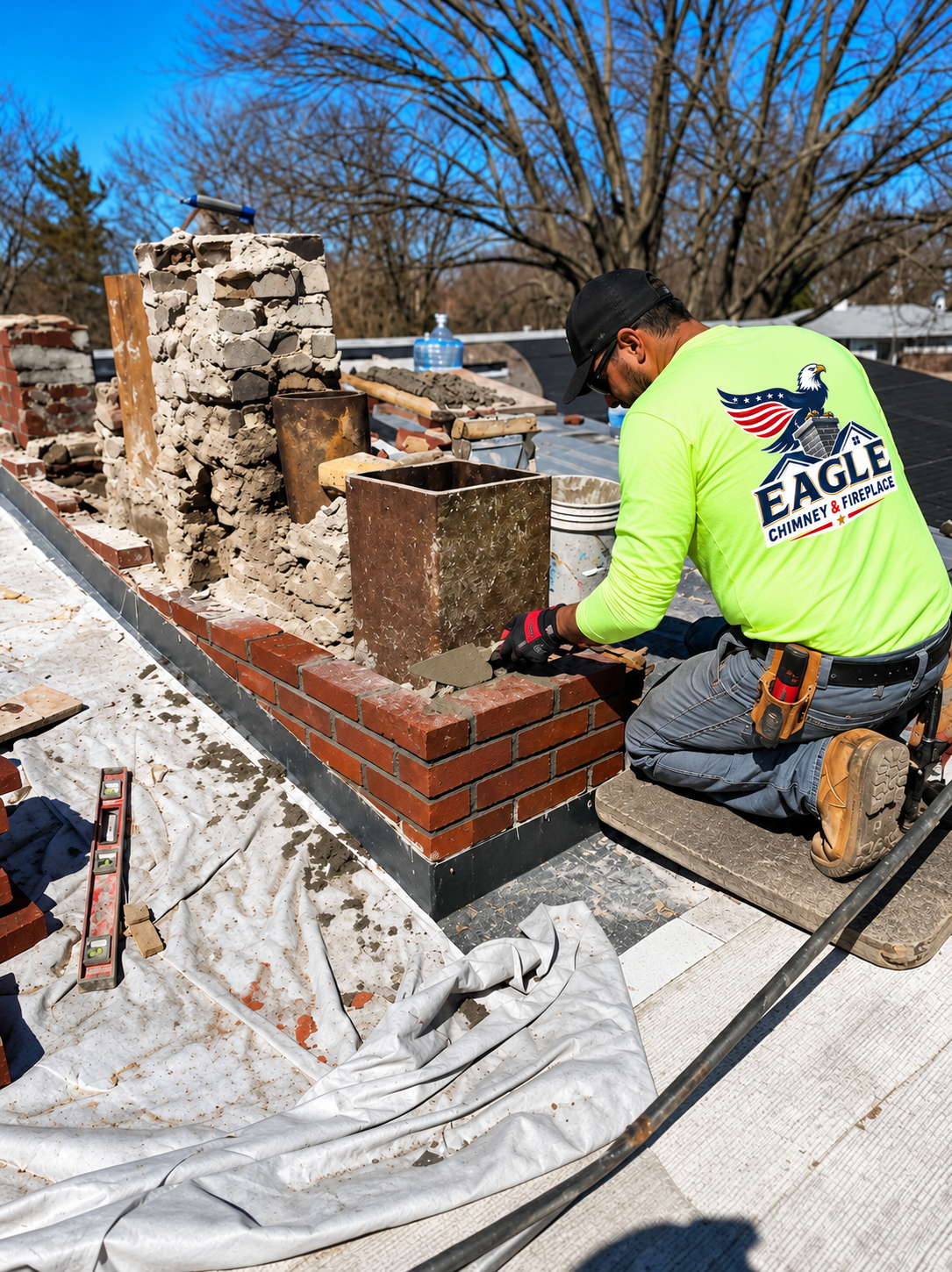
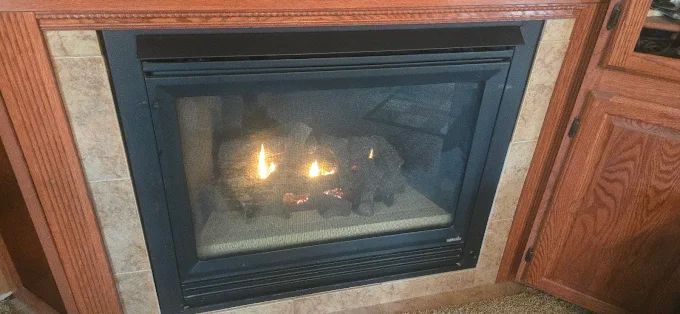
Safe removal of creosote buildup, soot, and debris. Essential annual maintenance for fire safety and efficiency.
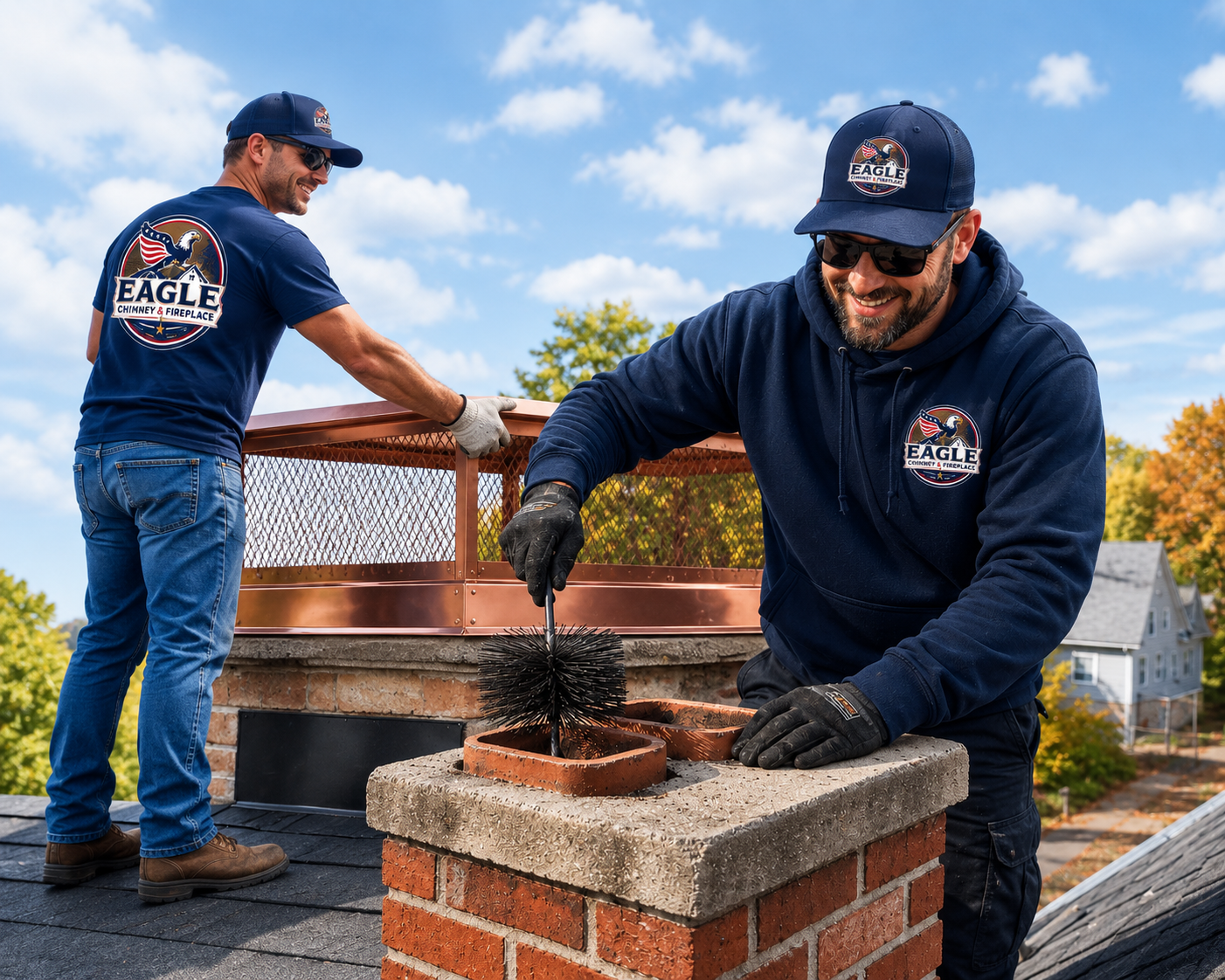
A professional chimney cleaning is not optional—it's essential maintenance that protects your home and family. When wood burns in your fireplace, smoke rises through the flue and deposits creosote, a highly flammable byproduct of incomplete combustion. This creosote accumulates on the interior walls of your chimney and liner, potentially reaching dangerous levels that create a serious fire hazard.
Creosote also restricts airflow, which reduces draft and can cause smoke to back up into your living spaces. In Pittsburgh's climate—with long heating seasons and the moisture that comes with Western Pennsylvania winters—this issue is especially common in older homes with masonry chimneys.
Creosote exists in three stages of buildup. First-stage creosote is loose, dust-like, and relatively easy to remove. Second-stage creosote is flaky and more stubborn. Third-stage creosote—called glazed creosote—is hard, shiny, and dangerous. It clings to the liner and ignites at lower temperatures than other creosote types.
Professional chimney cleaning removes all three stages. DIY cleaning attempts often miss glazed deposits in corners and crevices, leaving a fire hazard behind. The National Fire Protection Association (NFPA) recommends annual chimney inspection and cleaning whenever visible deposits appear.
If you use your fireplace or wood stove regularly during Pittsburgh's winter season, annual cleaning is not a luxury—it's essential. Homeowners who use their fireplace occasionally may still need cleaning every 1-2 years depending on fuel type and burning habits.
Warning signs that cleaning can't wait: strong tar-like odors from the fireplace, visible black deposits inside the firebox or damper, smoke spilling into the room, poor draft, or unusually smoky fires. If you see any of these, schedule a cleaning immediately—don't wait until next winter.
Western Pennsylvania's freeze-thaw cycles and moisture can complicate chimney issues. Chimneys that accumulate creosote faster in this climate often have additional problems like water infiltration or mortar deterioration. A professional cleaning is an opportunity to identify these secondary issues before they become expensive repairs.
Cleaning often reveals issues that require separate services:
Annual inspection is essential. If you use your fireplace regularly, plan on professional cleaning annually or whenever creosote buildup is visible.
A standard cleaning typically takes 30-90 minutes depending on chimney height, condition, and creosote level.
Attempting DIY chimney cleaning is dangerous and often incomplete. Professional cleaning requires proper safety equipment, specialized tools, and expertise to remove all creosote safely and thoroughly. Incomplete cleaning leaves fire hazards behind.
Annual professional chimney cleaning is essential for fire safety and efficiency. Schedule with Eagle Chimney & Fireplace today.
CALL: 412-954-1258Explore More
We bring this service to homeowners across the greater Pittsburgh area. Find your community: